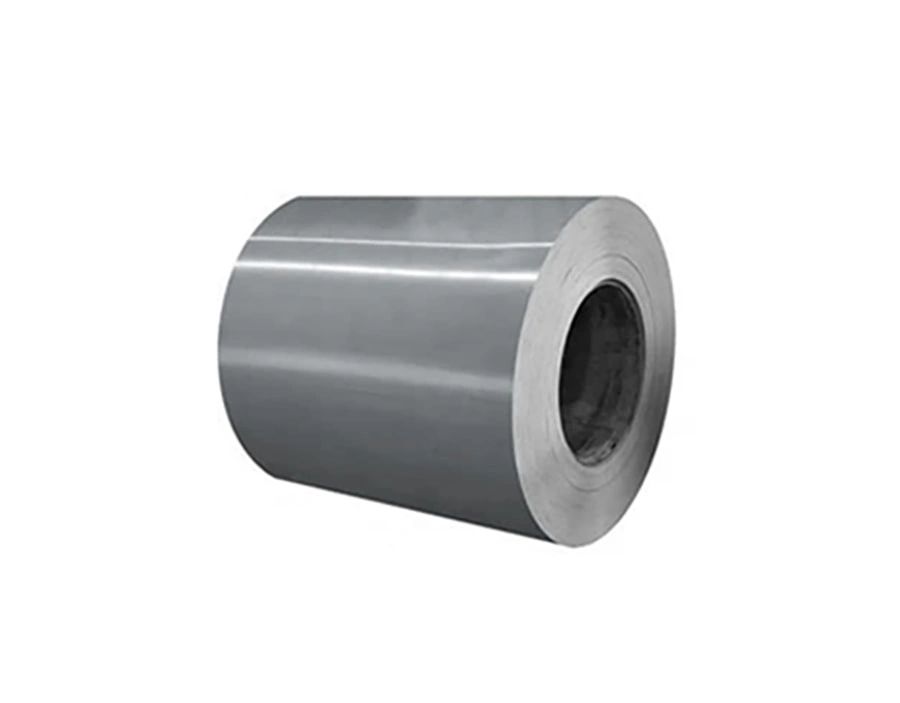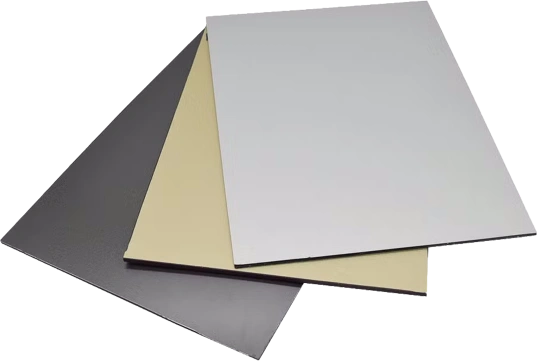
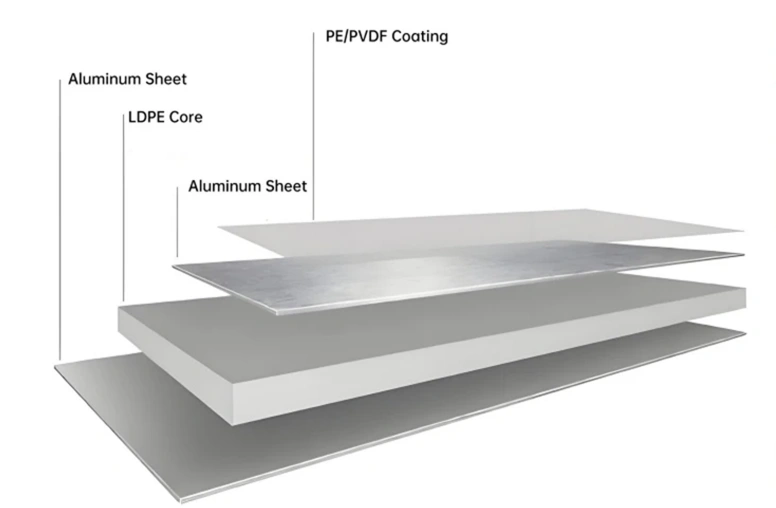
Aluminum composite panels are one of the most widely used façade and interior decorative materials in modern construction. A standard ACP consists of two thin aluminum skins bonded to a polyethylene or fire-resistant mineral core, producing a panel that is rigid, lightweight, and easily fabricated into flat sheets, curved surfaces, or custom profiles. The material is used across commercial building exteriors, interior partitions, signage backing, and shopfront cladding worldwide. Its appeal comes from the combination of surface finish quality, dimensional stability, and the ability to carry consistent color at scale.
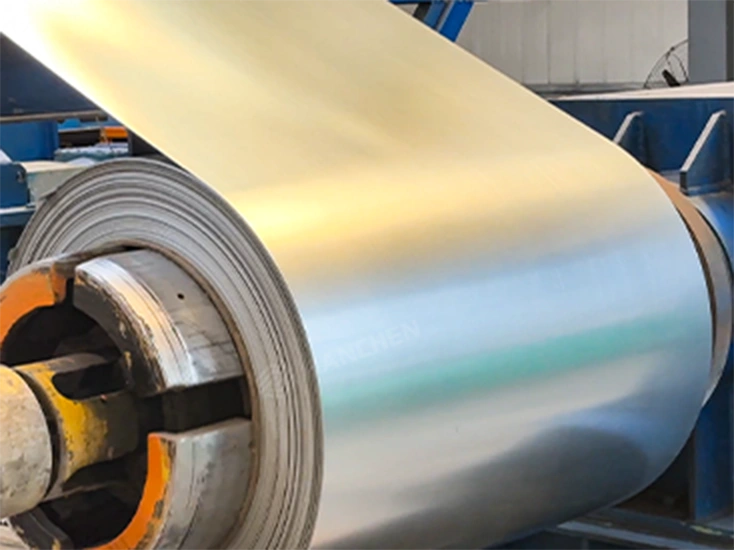
Our color coated aluminum coils are developed specifically to meet the requirements of ACP production. Through controlled surface treatment, advanced coil coating technology, and strict quality management, we provide aluminum materials that help ACP manufacturers produce panels with improved appearance, reliable processing performance, and long-lasting architectural value.
| Parameter | Recommended | Parameter | Recommended |
|---|---|---|---|
| Alloy | 1100, 3003, 3105 | Topcoat | ≥ 25 µm (PVDF), ≥ 18 µm (PE) |
| Alloy | 1100, 3003, 3105 | Topcoat | ≥ 25 µm (PVDF), ≥ 18 µm (PE) |
| Alloy | 1100, 3003, 3105 | Topcoat | ≥ 25 µm (PVDF), ≥ 18 µm (PE) |
| Alloy | 1100, 3003, 3105 | Topcoat | ≥ 25 µm (PVDF), ≥ 18 µm (PE) |
| Alloy | 1100, 3003, 3105 |
We manufacture color coated aluminum coils by combining high-quality aluminum substrates with professional coil coating technology. This allows our aluminum coils to support different ACP manufacturing requirements, from standard decorative panels to high-performance exterior architectural systems.
The PVDF coating system provides excellent resistance against environmental exposure while maintaining decorative appearance over 20-25 years. By using PVDF coated aluminum coils, ACP manufacturers can improve the durability and market competitiveness of their panels.
PE coated aluminum coil provides a practical solution for applications where balanced performance and cost efficiency are required. t offers good processing capability, flexible color selection and reliable indoor and moderate outdoor performance
Our chromate-free passivation pre-treatment creates molecular adhesion that resists moisture ingress, no blistering after 10 years of tropical cycling.
ΔE ≤ 1.0 batch-to-batch tolerance with in-line spectrophotometer QC, so installed panels from different shipments are visually indistinguishable.
Base alloy and coating formulations tested to EN 13501-1 Class B; coating does not drip or emit toxic smoke when exposed to adjacent flame.
Tension-leveled flatness eliminates micro-waves that cause adhesive voids above 40 m/min lamination speed.
Method: Per ASTM B117, samples are continuously exposed to a 5% NaCl salt fog chamber, with periodic inspection for blistering or rust formation. Result: 2,000h+, no blistering, no rust
Method: Coated panels are bent 180° at specified radii and inspected under magnification for cracking or delamination at the bend.Result: 0T–1T, no cracking on bend
Method: Cross-cut method, a 1mm × 1mm grid is scored into the coating, standard tape is applied and removed, and the surface is inspected for coating loss.
Result: According ASTM D3359 ≥4B, coating peeling under 5%
Method: Xenon-arc accelerated weathering simulates intense UV exposure, with periodic measurement of ΔE color shift and gloss retention. Result: 2,000h, ΔE < 2.0, gloss retention> 80%
Method: A standard pencil hardness gauge is pushed across the coating at 45° to determine the hardness grade at which scratching first occurs. Result: H–2H, good scratch resistance
Method: A magnetic thickness gauge measures multiple points on each panel to confirm uniform front and back coating thickness. Result: ±2μm,Thickness uniformity tolerance
If you have any questions, concerns, or need assistance, please feel free to contact us via phone, email, or online customer service at any time, and we will provide you with support and answers as soon as possible.
网站资料更新中...