

Outdoor color retention
Gauge range, custom available
Standard colors in stock
Neutral salt spray rating
The ranges below reflect our standard production line. Anything outside these ranges can be discussed under Custom Services.
| Alloy | AA 1100 | Back Coat Thickness | 5–10μm |
| Alloy | AA 1100 | Back Coat Thickness | 5–10μm |
| Alloy | AA 1100 | Back Coat Thickness | 5–10μm |
| Alloy | AA 1100 | Back Coat Thickness | 5–10μm |
| Alloy | AA 1100 | Back Coat Thickness | 5–10μm |
| Alloy | AA 1100 | Back Coat Thickness | 5–10μm |
| Alloy | AA 1100 | Back Coat Thickness | 5–10μm |
| Alloy | AA 1100 | Back Coat Thickness | 5–10μm |
*For non-standard gauge, width, or coil weight requirements, please note them in your inquiry.
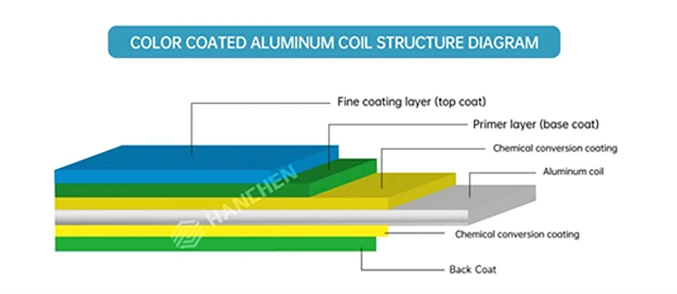
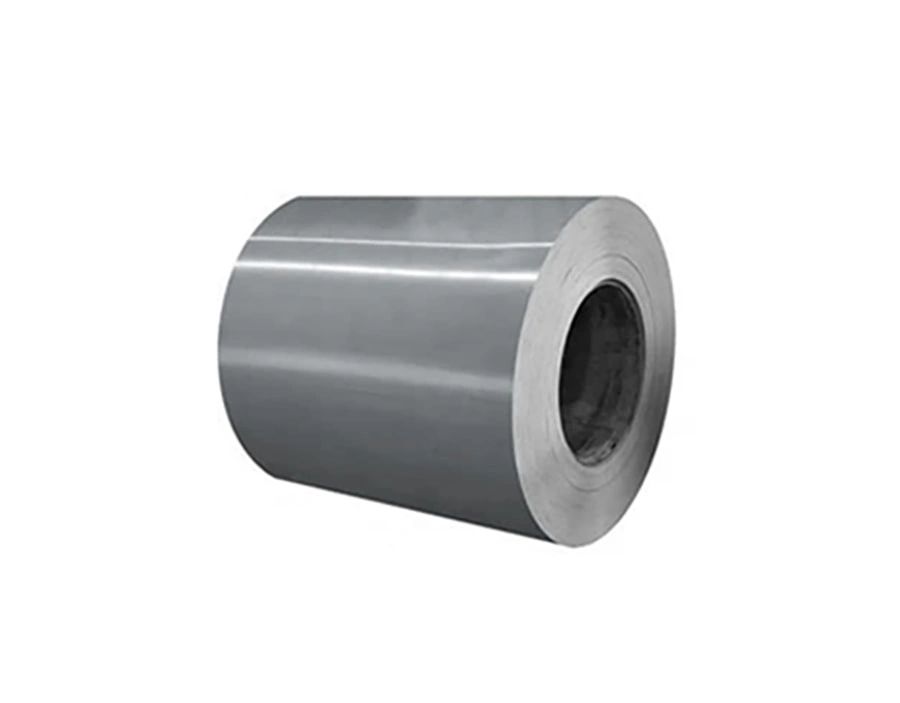
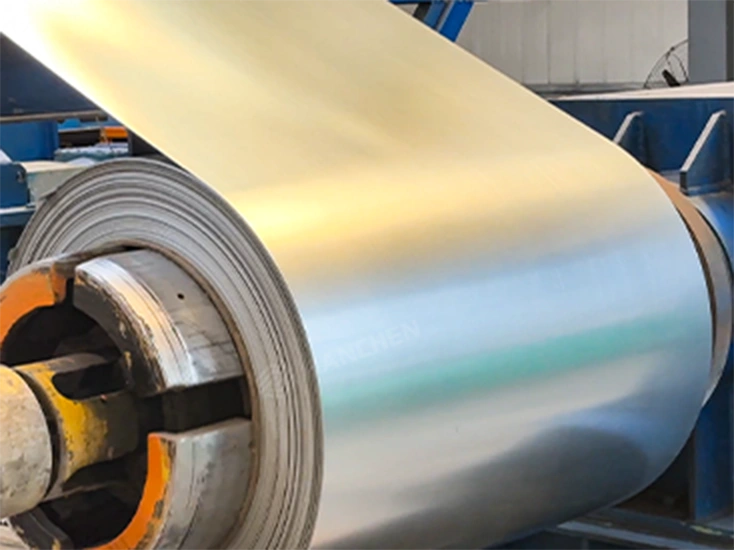
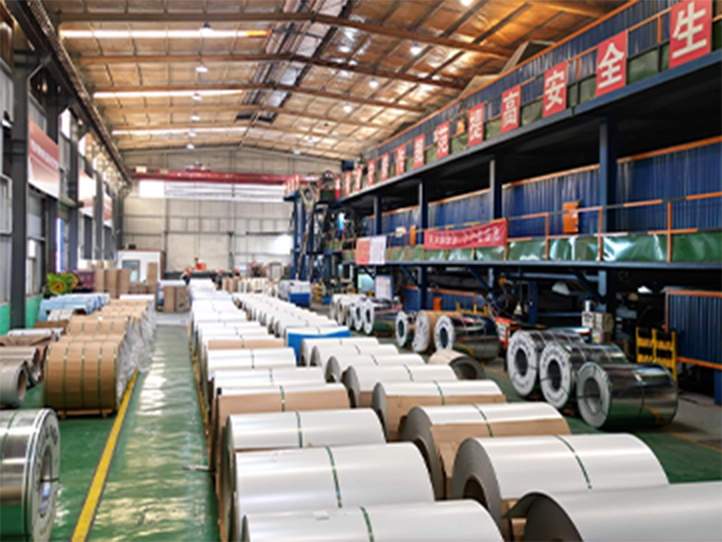
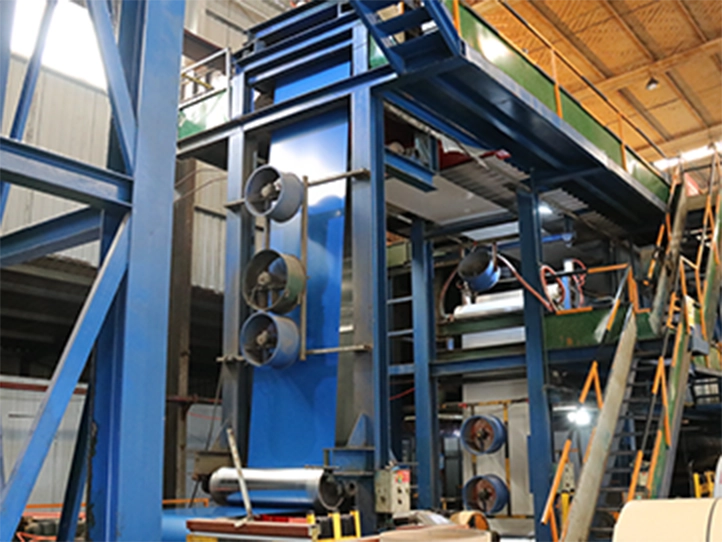
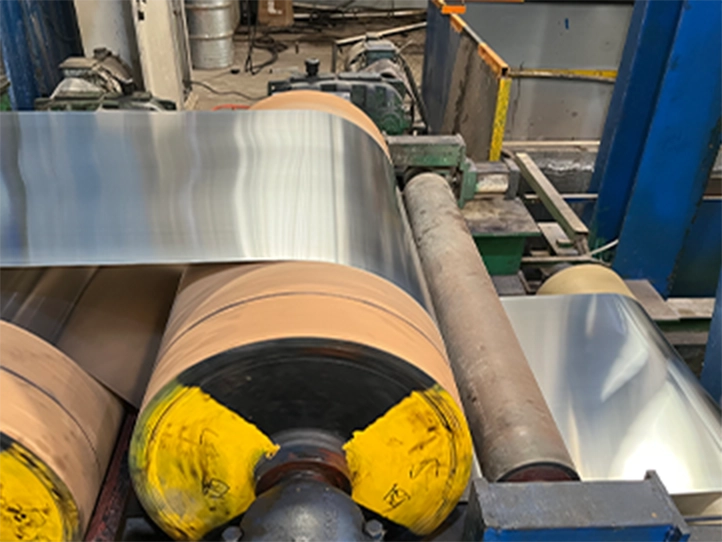
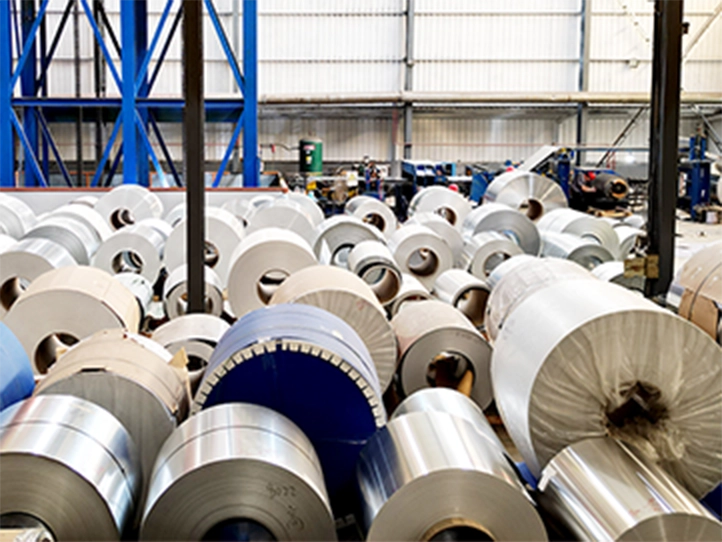
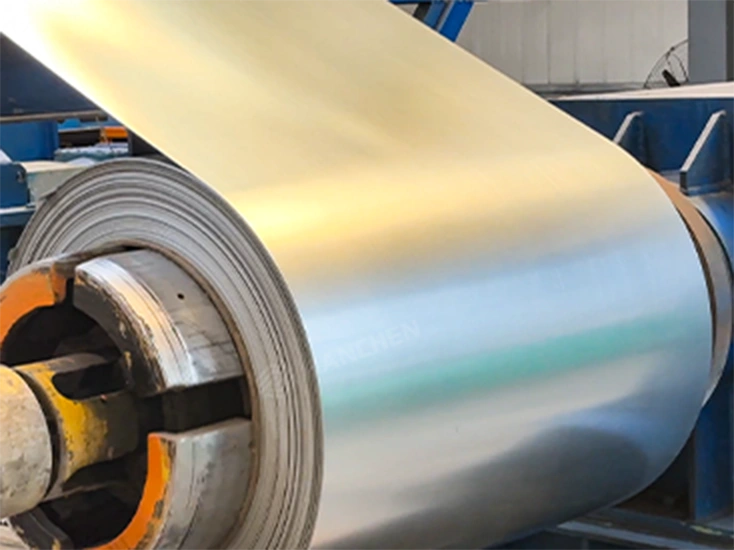
We take bare AA1100 alloy aluminum coils and process them through a continuous coil coating line. As a commercially pure aluminum alloy covered by ASTM B209, the substrate carries a minimum of 99.0% aluminum content. The manufacturing process involves sequential degreasing, multi-stage chemical pretreatment, liquid roller coating, and high-temperature oven curing at 230°C to 250°C before final rewinding.
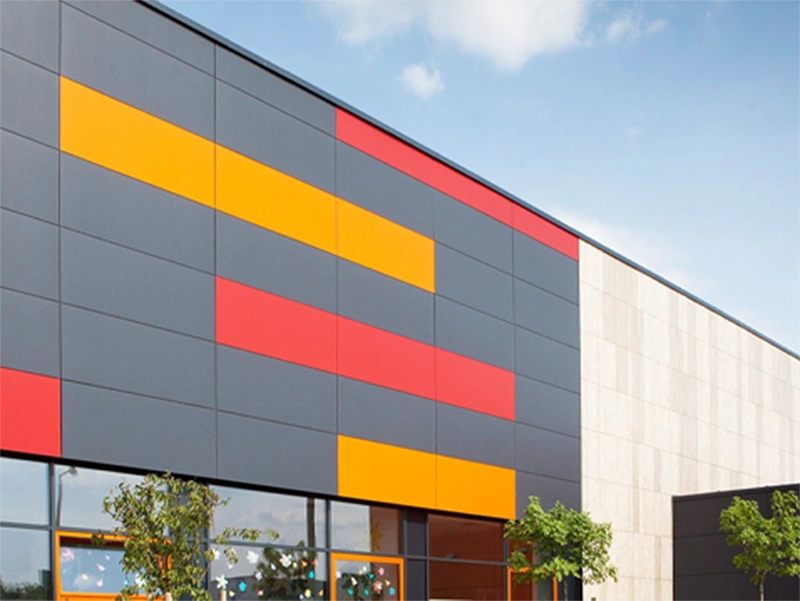
Compared to anodized aluminum sheet, which often suffers from batch-to-batch color variations and limited color choices, roller-coated metal provides uniform color matching across thousands of meters. Polyester coatings have a well-defined service envelope, performing exceptionally well in interior applications with no UV degradation concerns, and providing 5 to 8 years of stable finish life under moderate outdoor climate exposure.
High fineness powder with large specific surface area, dissolves faster than dihydrate flake calcium chloride without long stirring
Contains crystal water with gentle heat release during dissolution, no splashing when preparing solution for safer operation
Can be evenly compounded with other dry chemical raw materials, suitable for powder dust suppression and dry additive mixing processes
Lower purchasing cost than anhydrous calcium chloride, cost-effective for mass conventional industrial applications
Weaker hygroscopicity than anhydrous powder, less deliquescence and caking under the same storage environment
The 1100 alloy is a pure aluminum variant with an aluminum content of at least 99.0%. This chemical composition gives the metal excellent elongation and ductility compared to harder alloys. The material achieves a tight 0T to 1T bend rating, meaning the finish flexes seamlessly with the metal substrate to minimize processing waste.
Polyester (PE) coatings are the most widely specified option for everyday commercial products because they balance procurement costs and outdoor performance. The coating acts as a stable barrier over the pure 1100 substrate, delivering reliable color consistency without the high price tag of heavy architectural finishes.
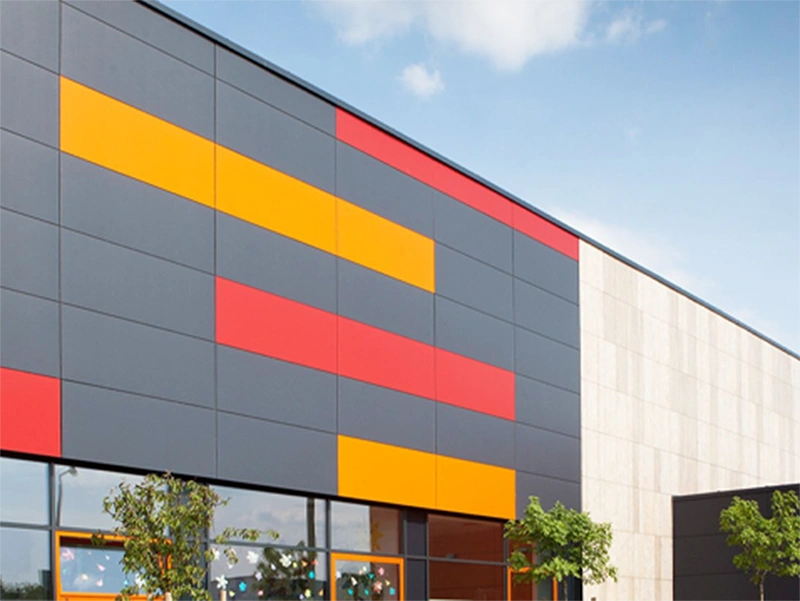
By utilizing an automated liquid roller system, our production line keeps color variance within a strict margin of ΔE ≤ 0.3 from batch to batch. This gives you much better color uniformity across a large building facade or industrial manufacturing run than old-fashioned manual spray-painting can deliver.
Aluminum is 100% recyclable, and most coating systems use low-VOC formulations with lead-free production now standard on several of our lines, meeting common green building material requirements.
No single coating system is universally "better", the right choice depends on your operating environment and budget.
Best for: Interior decoration, signage, appliance housings, and budget-conscious short-to-mid-term outdoor projects
PE (polyester) coating offers the best overall value, with a wide color range and strong formability, making it the highest-volume coating system on the market today. It performs well for 5–8 years of typical outdoor exposure, though color retention will fade faster than PVDF or fluorocarbon systems in high-UV or acid-rain-prone regions.
Expected outdoor service life: 5–8 years
Flexibility: Excellent, suited to complex stamping
Price position: Economy
Typical use: Appliances, signage, interior fit-out, ACP
| Alloy | AA 1100 | Back Coat Thickness | 5–10μm |
| Alloy | AA 1100 | Back Coat Thickness | 5–10μm |
| Alloy | AA 1100 | Back Coat Thickness | 5–10μm |
| Alloy | AA 1100 | Back Coat Thickness | 5–10μm |
| Alloy | AA 1100 | Back Coat Thickness | 5–10μm |
| Alloy | AA 1100 | Back Coat Thickness | 5–10μm |
| Alloy | AA 1100 | Back Coat Thickness | 5–10μm |
| Alloy | AA 1100 | Back Coat Thickness | 5–10μm |
50+ Standard Colors in Stock & Custom Matching Available. Click any swatch below for color details. If you don't see what you need in our standard range, we can match it from a physical sample or color code.
Send a physical sample or specify a Pantone/RAL code, and our color lab can complete formulation matching and produce a small confirmation sample within 3–5 business days, holding color deviation to ΔE < 0.3.
Beyond standard matte and gloss, we also offer wood grain, stone grain, brushed, and embossed finishes for differentiated appearance requirements.
Gauge, width, and coil weight can all be customized based on order volume. For specs outside our standard range, we recommend confirming production scheduling with our engineers in advance.
We support small-batch sampling to validate performance before committing to a full production run, reducing risk on first orders. Typical sampling lead time is 7–10 business days.
Every coil is tested before it leaves the factory. All data below comes from third-party labs or in-house equipment operating to recognized international test methods, and reports are available for buyer verification.
Method: Per ASTM B117, samples are continuously exposed to a 5% NaCl salt fog chamber, with periodic inspection for blistering or rust formation. Result: 2,000h+, no blistering, no rust
Method: Coated panels are bent 180° at specified radii and inspected under magnification for cracking or delamination at the bend.Result: 0T–1T, no cracking on bend
Method: Cross-cut method, a 1mm × 1mm grid is scored into the coating, standard tape is applied and removed, and the surface is inspected for coating loss.
Result: According ASTM D3359 ≥4B, coating peeling under 5%
Method: Xenon-arc accelerated weathering simulates intense UV exposure, with periodic measurement of ΔE color shift and gloss retention. Result: 2,000h, ΔE < 2.0, gloss retention> 80%
Method: A standard pencil hardness gauge is pushed across the coating at 45° to determine the hardness grade at which scratching first occurs. Result: H–2H, good scratch resistance
Method: A magnetic thickness gauge measures multiple points on each panel to confirm uniform front and back coating thickness. Result: ±2μm,Thickness uniformity tolerance
3333333333
222222222222
If you have any questions, concerns, or need assistance, please feel free to contact us via phone, email, or online customer service at any time, and we will provide you with support and answers as soon as possible.
网站资料更新中...